Article written by Masechaba Mabalane, 16 July 2015
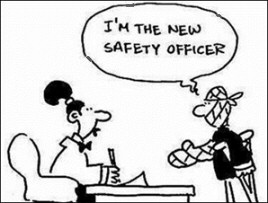
Health and Safety in the workplace can be common knowledge to a certain extent. We learn about safety hazards such as spills on floors, improper wiring, working from heights, and precautions to take in various situations like fires or natural disasters. However, there are other hazards that exist in the workplace that are not necessarily on the Health and Safety framework that ought to be included, as they occur on a daily basis and can go unnoticed. These are namely ergonomic hazards and workplace organisation hazards.
Ergonomic hazards, according to the Occupational Safety and Health Administration(2014), are the types of hazards that take place when the type of work, body positions and working conditions put a strain on the body. It is imperative to take note of these hazards because short-term exposure can lead to serious long-term illnesses. These include improperly adjusted work stations and chairs, awkward repetitive movements, frequent lifting, poor posture and even vibration. These do not necessarily pertain to workers who handle heavy machinery, because even those employees who work from a desk daily are exposed to these hazards.
Work organisation hazards are factors that cause stress and strain. There is a worldwide misconception that stress and strain are normal or even necessary occurrences, but frequent exposure can lead to tension, high blood pressure and even depression. These hazards include workload demands, workplace violence, lack of respect, lack of social support, and sexual harassment. Sadly, most of these are not deemed as important and can go unnoticed.
Physical health enables an employee to perform everyday tasks but if mental health and emotional wellbeing are jeopardised by ergonomic and work organisation factors, employees are less likely to produce quality work that they are mandated to do. These hazards should be included in the health and safety code, training and workshops because they occur more frequently than we realize. Furthermore there should be support structures in place for when they do occur. Any incident that occurs must be reported and dealt with, including disciplinary measures if need be. On average, employees spend 8 or more hours at work, which is 1/3 of their day, 40 hours a week, and 800 hours a month.
This means that work is a big part of our lives and so it should be a healthy and happy place for all employees. After all, happy employees produce far better work than their unhappy counterparts. Similarly, proper seating, good posture and movements are paramount to the production of good quality work, improved daily operations and general employee wellness.
Reference: Occupational Health and Safety Administration (2014) Available from: https://www.osha.gov/dte/grant_materials/fy10/sh-20839-10/circle_chart.pdf
[Accessed: 14 July 2015].